Invisible Disabilities Are Real—And America’s Workplaces Are Still Failing the People Who Live With Them
Imagine yourself at work next to your new coworker. They cannot stop tapping their feet and it makes your cubicle rattle. The sound of their pen clicking drowns out your other coworkers' voices. They start humming their favorite Guns N Roses song. You are about to go crazy. Why are they doing this? Why can they not just be silent and do the work they were assigned to?
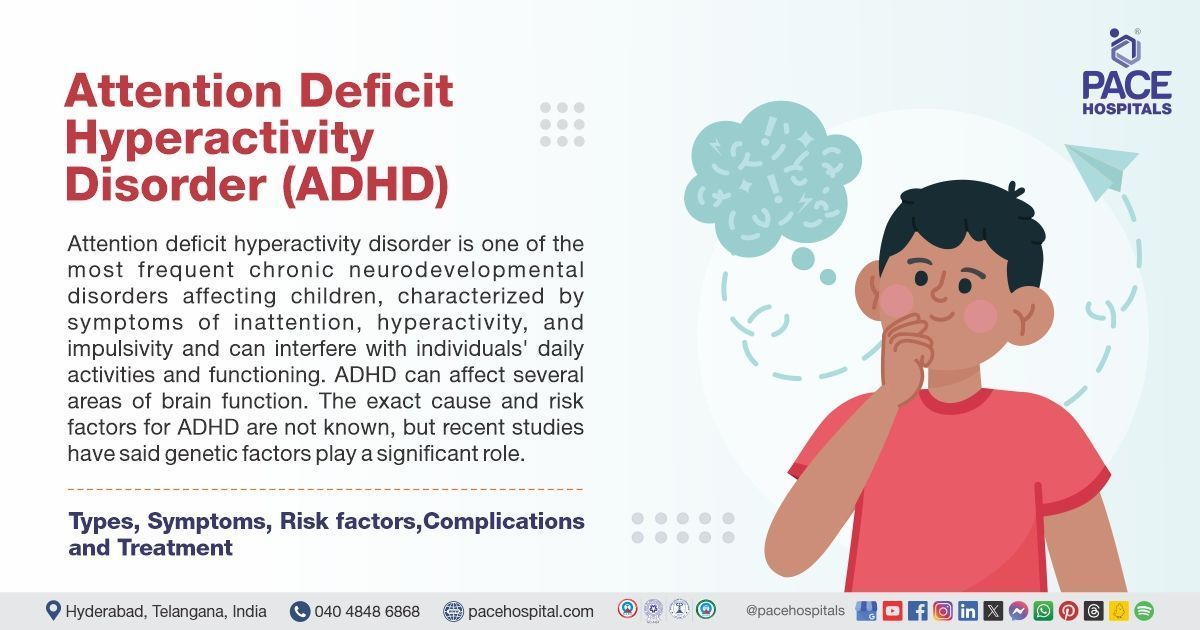
Your new coworker has an invisible disability that you will not find out about until three weeks in when you have finally had enough of their non-stop movements and ask them why they cannot sit still. They tell you, unable to look at you in the eye because they are outright embarrassed. These annoying movements for you are their lifeline to help them focus. Nonvisible disabilities, or otherwise known as invisible disabilities, are disabilities that are not immediately obvious to others, yet still affect a person's senses or daily activities. These disabilities range from physical, mental or neurological conditions. Attention-Deficit/Hyperactivity Disorder (ADHD), autism, diabetes, depression, anxiety, Crohn's disease, and learning disabilities are all examples. ADHD is what your coworker in the anecdote above had. You could not identify it right away. It was not obvious they had diagnosed difficulty with focus in a typical office setting; only their movements were noticeable.
+PACE+Hospitals-1920w.jpg)
According to the Harvard Business Review, 10% of the country falls into the category of having an invisible disability. 88% percent of those struggling with these disabilities prefer not to mention it at work to their employers or coworkers to avoid stigma. This is a clear issue that is starting to become advocated for as society gets increasingly more comfortable talking about diversity, equity and inclusion. Individuals with invisible disabilities are often misunderstood as simply struggling behaviorally or academically, but in reality, the lack of awareness from their peers and coworkers, appropriate support, and work environments creates greater obstacles than the disabilities themselves. This concept emphasizes the need for changes in workplace environments and communities to identify and support these individuals.
A ScienceDirect journal discusses that the lack of recognition for these individuals creates significant impacts. It facilitates barriers to accessing support, accommodations, and equal participation in not only educational and professional settings, but in social settings as well. Not only do our children of today need to be educated on the matter of invisible disabilities, but also America’s work staff. Conversations that spread awareness and educate nondisabled folks will help eradicate some of the judgement and confusion surrounding the invisibility. Think about how workplace environments could be improved if people understood the disability rather than just making assumptions about it. Stigma facilitates toxicity, and toxic work environments facilitate ineffective performance, profit, and more.
The previously mentioned academic journal shared a 23-year-old woman’s, who suffers from ADHD, workplace experience. Some of her coworkers have “weaponized” her disability, implying that she was lazy. But 23-year-old Nina is not lazy, she has a disorder. If her coworkers understood her disability, accommodated her needs, and provided her with resources to help her succeed, she could get her work done more efficiently. Accommodations for invisible disabilities look like quiet rooms, flexible seating options, remote work, and even things like noise canceling headphones and dimmable lighting. Environmental adjustments are not the only thing that needs to be met; communication adjustments also need to be reached. Clear directions, offering sign language interpreters, utilizing written notes, and making sure work instruction is accessible via multiple platforms are all examples of this. These accommodations help workers feel embraced, not excluded. Excluded is a common feeling those who have these disabilities feel in work environments that are not equipped to have disabled staff. They are more likely to receive fewer benefits and have opportunities for advancement. This can lead to distress, worsening of their well-being and job performance.
From the same ScienceDirect journal, another case study was discussed. A man in his early seventies suffering from Meniere's disease discussed the emotions he has felt trying to “prove” that he is disabled. Because of the lack of obviousness, he has hard times using accommodations in public. He said that he used to experience guilt and usually felt misunderstood when he asked for support. This led to him having a negative self perception. One should not have to feel weak or excluded just because their disability does not make them handicapped or have to use any physical aid or helpers. Society needs to change their internalized ableist perspective and stop ranking disabilities based on visibility. Those with invisible disabilities should not fear seeking help.

Workplace inclusion is attainable. A Regional Business News journal suggested methods for workplace inclusion: consistent messaging, hiring representative staff, and making a space for everyone. When employers build inclusive and flexible workplaces, everyone benefits. These benefits can be seen through an increase in productivity, retention improving, and businesses gaining access to a deeper talent pool.
One major counter argument about educating inclusivity and accommodation is that it minimizes responsibility and resilience. Large institutional changes aggravate the people on this side of the argument because they think it makes people a “worse” employee. This perspective undermines the challenges those with invisible disabilities face. Accommodations help boost those who are disabled feel like they can work and compete at the same level as their nondisabled coworkers and peers. Accommodations do not just “give” those suffering advantages; they simply help even the playing field. Providing accommodations increases the number of people able to learn and work. According to this newsletter, increased diversity in the workplace improves companies' revenues by 19%. So ask yourself, is it worth eliminating a pool of workers who bring different talents to the table just because companies have to accommodate certain needs?
Think back to your new coworker. Instead of making a quick assumption about their movements and getting frustrated, remind yourself that they could be experiencing something your brain cannot grasp with just looking at them.


Comments
Post a Comment