This Is Why Some Patients Aren't Taken Seriously - And It's More Common Than You Think 🤯🤯🤯


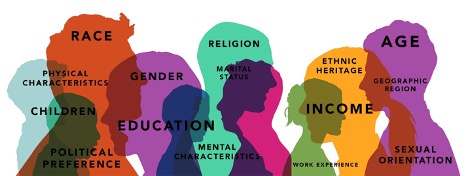
According to the APA, implicit bias "is a negative attitude, of which one is not consciously aware, against a specific social group".



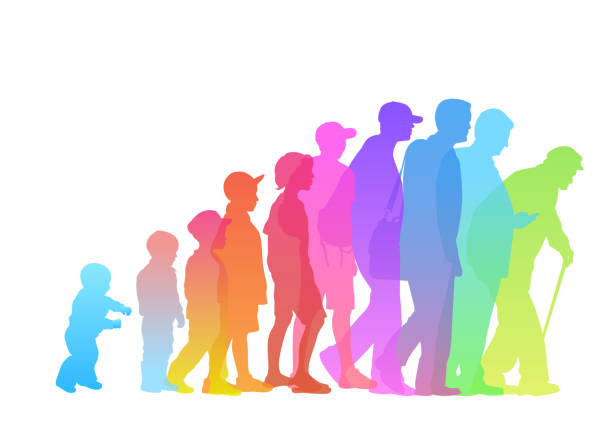
I personally face the “young” side of the sword. Many may look at me and assume that I am fine because I look ‘fine’. Every single doctor appointment I go to, I am faced with the thoughts of ‘Will they take me seriously?’ and ‘Will they do their best ACTUALLY to help me?’. I have been brushed off and told “you’ll grow out of it” and “you’re too young to have all these problems”, among many other dismissive comments.


They may think that the patient is simply exaggerating their symptoms.
Another assumption is that the patient does not have any real medical issues but is simply experiencing “normal ageing”.
There is also the thought process that older patients are less capable of understanding, participating, or directing their care, and that they need a next of kin for every decision.

Unfortunately, these are not the only implicit biases that affect medical care. While these are some of the most commonly seen, there are countless others, including gender identity bias, weight bias, mental health bias, and more.

Implicit biases in healthcare may not be intentional, but they can have lasting effects on patients.
They shape the entire patient-provider interaction.
They affect clinical judgement and decision-making.
They damage trust between patient and provider, which further decreases the quality and access to care
They can lower patients’ self-esteem and mental health
They delay treatment for patients
They lower the likelihood of a patient being believed.
They can make a patient feel less than.
Some may say that it is the individual behavior of the provider, but that’s not true. It is more than one person – it is a system-wide issue.

Whether it is immediately evident or not, it is there.
Whether it is easily seen or ‘just the small things’, it is there.
Our system needs to do better. The question is–where do we start?
One source, ihi.org, suggests several strategies, such as seeing the person as an individual and not a stereotype, putting yourself in the person’s shoes, increasing opportunities for learning and inclusion, and more.
I think that all of these strategies are amazing, but I think a good starting point should be recognizing when you are approaching something with an implicit bias and adjusting.
I understand that, with society today, breaking the cycle of implicit biases may not be the easiest, but it is important to be aware. Take ownership when you follow an implicit bias. Acknowledge the mistake, apologize, correct, and be conscious of not repeating it in the future. Make others aware when they are following an implicit bias.
Do not simply brush past it and move on.
Make a point to take a stand.


Comments
Post a Comment