America's Younger Generations are Suffering because of Bullying.
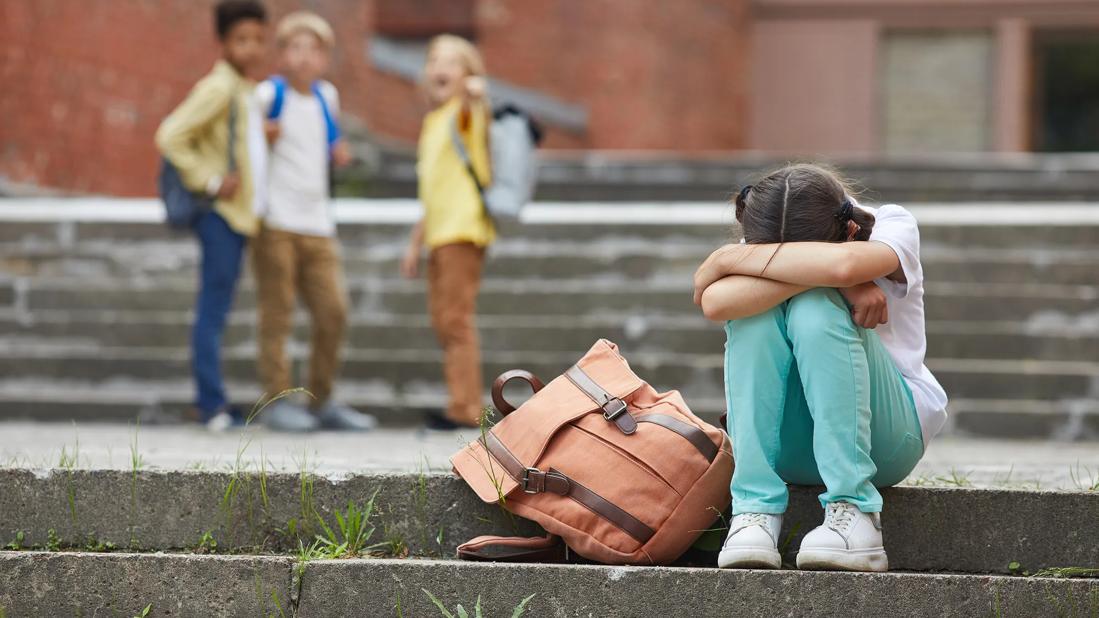
Bullying is often assumed to be a normal part of growing up, but research shows that the effects can follow an individual into adulthood. Bullying in school is a widespread issue that affects a large number of students across the country. For many people, issues such as depression, anxiety, self-harm, and substance abuse become the most common long-term consequences.
According to Centerfor Violence Prevention, "26.1% of middle school students are
bullied." Middle school is a critical stage in development, where individuals begin to create their identity and decide their place in society. Being bullied
at a time of self-discovery can have serious consequences. Depression, for example, is a mental disorder that affects many students who are bullied in
middle school. This mental disorder causes constant feelings of sadness and hopelessness
that are difficult to escape. This disorder commonly follows a person into their
post-graduate life.
Experiencing bullying is rarely a singular event. It is a behavior that is repeated often. The
frequency of this issue leads to anxiety disorders as a result of constant fear of
being talked about negatively or picked on by others. These fears do not always remain in school. They can carry over into other areas of their life, including friendships, romantic and family
relationships. The National
Center for Health Statistics states "Teenagers ages 12–17 with
anxiety symptoms were significantly higher among teenagers who were bullied
(29.8%) than those who were not (14.5%)."
Some people argue that kids today are just more sensitive they should understand that bullying is just a part of growing up. However, these beliefs neglect the documented mental impact of repeated harassment. Research from the CaliforniaLearning Resource Network states “Studies show that kids who are bullied are 2-9 times more likely to consider suicide than non-bullied individuals.” Older individuals grew up in an age where bullying or mental health wasn't discussed. Now an increased number of studies are being published and provide research-based evidence to show how bullying truly changes a person's life. The effects of bullying often leave lasting impressions that extend into adulthood. Not only does being a victim of bullying impact mental and physical health but it can also heavily affect an individual's thoughts and actions.
The consequences of bullying are not limited to mental health issues. Many cases kids are hurting their bodies using self-harm or turning to substances as escape routes. Kids who are victims of bullying are at a higher risk of turning to dangerous substances compared to students who are not. Substance abuse is a coping mechanism that kids use to escape the constant torment that comes from bullying. By turning to substances like drugs and alcohol, they feel these temporary fixes ease the pain of what they experience even if just a short time. But these habits can turn into addiction and dependence which can be much more difficult to overcome and can lead to a more dangerous path later in life. Self-harm has also been linked to being a victim of bullying. Girls are more likely to turn to self-harm compared to boys. This is due to the fact that many girls are bullied about their body size.
Turning to self-harm is how girls gain a sense of
feeling due to becoming depressed and losing a sense of self and emotion.
Self-harm is one of the more dangerous coping mechanisms. When
a child participates in inflicting harm on themselves, the intention is rarely
to cause death. The majority of the reasons behind self-harm are to inflict pain on
themselves for some sort of feeling. According to the National
Library of Medicine, "7.7% of early adolescents (grades 6–8, n =
508) reported engaging in NNSI (non-suicidal self-injury)."
Bullying is not a single incident. It is a repeated behavior that leaves lasting damage well beyond a student's time in school. The emotional and mental effects like anxiety, depression, and substance abuse prove that this isn't just part of growing up, but a serious issue that needs attention. While the awareness of bullying has gone up in recent years, just recognizing the issue isn't enough. Family members, friends, and bystanders have a duty to identify and address the problems before they escalate. If bullying of a student is ignored, the problems that arise can affect beyond the individual. Confronting bullying requires accountability and action, not only to protect the current generations but to ensure future generations like your grandchildren don't have to endure the same. Take meaningful steps that are necessary to ensure a safer and more structured school environment for all students.


Comments
Post a Comment