American Patients Deserve to Be Heard: Confronting Bias in Healthcare
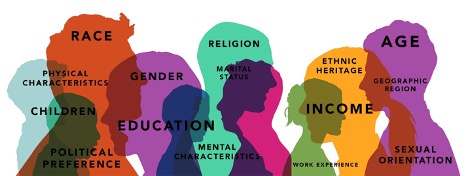
When Americans go to a doctor’s office or the emergency room, they expect to be heard and helped. A growing number of patients are saying that that is not always the case, and more patients are questioning if they can trust that they will be treated fairly. Concerns are growing about whether they will be dismissed, overlooked, or not taken seriously by the healthcare system. One major factor behind these concerns is implicit bias, an often overlooked force that shapes how patients are treated.
The APA defines implicit bias as “a negative attitude, of which one is not consciously aware, against a specific social group”. In the medical field, this quietly shapes how doctors listen, diagnose, and decide who gets believed.
Age bias presents a serious challenge, and it works in two directions. Older Americans, who typically rely the most on healthcare, are among the most overlooked. One source says that as adults age, their medical risks and needs tend to increase. Though their time in a medical setting increases, the level of healthcare they receive decreases. There are many reasons for this, but a main one is providers making unconscious assumptions about their older patients.
Providers may think that the patient is simply exaggerating their symptoms. They may think that the patient does not have any real medical issues but is simply experiencing “normal ageing”. Providers may believe that older patients are less capable of understanding, participating, or directing their care, and that they need a next of kin for every decision.
It is also not impossible for younger Americans to experience issues in the medical field. In fact, a study shares that the youth in the study felt misunderstood, that assumptions were made about them, and that they were not receiving the quality of care they needed. A lot of the time, younger Americans are brushed aside because there is the idea that they are too young to have medical problems or that they will grow out of them. These comments dismiss very real problems and leave the patient to live with them. Consider asking your younger loved ones to see if they have had similar experiences.
Race and ethnicity reveal a similar pattern. Andrea M. Hayes shared that studies show that Black patients’ pain is underestimated by 47% by physicians compared to White patients. Some studies show that minority patients consistently receive less effective pain management. The thought process behind this is that providers may hold false beliefs about biological differences, which affect a patient’s care.
Gender bias adds another layer. One source mentions that women experience chronic conditions differently from men. Seeing as most medical studies are focused on men and not women, there has been limited research into how to care for women. Because there is not as much research, there is not much that can be put into practice for women’s healthcare. While this source mainly focuses on chronic conditions, the information unfortunately goes beyond that and into general women’s healthcare.
There is also the fact that many providers doubt or even dismiss patients’ complaints. Women are frequently dismissed when they report pain. A common assumption is that if someone were truly in pain (especially ‘that much’ pain), they would not be able to function. The whole “just deal with it” and “grin and bear it” mindset society has toward period pain not only hurts women on a day-to-day basis, but is exactly why doctors dismiss real symptoms.
Unfortunately, these are not the only implicit biases that affect medical care. While these are some of the most commonly seen, there are countless others, including gender identity bias, weight bias, mental health bias, and more.
Implicit biases in healthcare may not be intentional, but they can have lasting effects on patients.
For one, they create power imbalances and support making assumptions about people. They shape clinical judgement and determine who gets taken seriously. They damage trust between patient and provider, which further decreases the quality and access to care. They damage patients’ self-esteem and mental health. They delay treatment for patients, lower the likelihood of a patient being believed, and can make a patient feel less than. When patients are not believed, it affects more than just their care. It affects their sense of dignity and independence.
Some may argue that these issues are not the result of implicit bias but rather the reality of overworked systems. Providers often face time constraints, which can lead to rushed decisions and miscommunication. Others may say that it is simply a result of standardized training and procedures, which leads to an objective outcome rather than an individualized one. These points highlight major challenges of the healthcare system, but do not completely explain the patterns that are consistently seen among different demographics. These patterns suggest that there is something else at play, like implicit bias.
This is not just about a single experience or an individual doctor. This is a system-wide issue. You or a loved one has likely experienced the effects of implicit bias.
Whether it is immediately evident or not, it is there.
Whether it is easily seen or ‘just the small things’, it is there.
Our system needs to do better. The question is–where do we start?
One source, ihi.org, suggests several strategies, such as seeing the person as an individual and not a stereotype, putting yourself in the person’s shoes, increasing opportunities for learning and inclusion, and more.
I think that all of these strategies are an amazing place to start.
Breaking these patterns will not be easy, but it is necessary. Implicit biases are practically impossible to notice in yourself, but are easier to notice from the outside. Take ownership when you are called out. Acknowledge the mistake, apologize, correct, and be conscious of not repeating it in the future. Make others aware when they are following an implicit bias.
Do not simply brush past it and move on. There needs to be more awareness in medical training. Patients need to be encouraged to advocate for themselves.
Ignoring the problem is not an option. Real change starts with acknowledging.
Patients should not have to fight to be believed.


Comments
Post a Comment