The impact of early mental health intervention to strike on preventing student substance abuse
|

Have you ever known someone that didn’t have the proper resources in school to help prevent addiction?
Specifically, drug addiction is a major problem in United States high schools. Addiction is something that can long outlast someone's success in a high school bringing in serious future problems. Problems that include depression, a disruption in neurological development, and even reaching into having suicidal thoughts. Now what if there was a way to reduce this possibility of addiction. Screening to try and diagnose mental health is one of the best ways to help prevent something from happening to someone.
Addiction of many different substances is used to help by, “taking the pain away,” is something teenagers do because they don’t know of any other options. Teenagers and adolescents often try to use something that is easily accessible either in school or by older friends. Figuring out what kids are going through inside and outside of school can help schools and parents prevent even more downsides of mental health issues.

Coming from the Advances in Psychiatry & Neurology, “over one-quarter of 15-19-year-olds - approximately 155 million adolescents - are classified as current drinkers.” Having this statistic shown to people may scare as it should. This is why schools should be required to have some type of screening to catch early signs of possible addiction. Catching these signs early is something that everyone should be aware about and informed on how to catch onto these signs.
While many problems arise from addiction as mentioned earlier but suicide is the most serious problems that stems from addiction. Mental screening can be something that helps catch the signs of suicides or other problems. School is one place that students should have the opportunity to be screened due to it being a safe environment.

Screening can help catch and possibly prevent many suicides. According to Child & Youth Care Forum, over 90% of people that died to suicide had a mental health issue that was diagnosable but just weren’t screened. This shows why screening is so needed throughout people especially to prevent adolescent deaths. It also shows how useful these screenings can be to see if someone is being suicidal. The screenings that students are allowed to take are cheap and effective to diagnose someone with some type of mental health issue.
So why doesn’t every school use these screenings to even have the slightest chance of stopping addiction or even worse suicide? One of the main reasons schools don’t have these simple yet effective screenings is due to parental push backs over rights. Parents believe doing these without parental approval is seen as violating trust and rights in the parents eyes. The government was sued when a girl had a mental health screening done because the parents believed it was violating their parental rights.

Many other things separate from mental health screenings can help people detect when a student is going through something that they don’t know how to talk about it. Teenagers try to continuously hide their feelings due to what people around them think. Students don’t want to talk about their mental state because of how friends or mentors might treat them differently, or even spread rumors about it to other kids in high school. According to the National Library of Medicine, high school students avoid talking about being, depressed, having anxiety, or having suicidal thoughts, all due to the stigma of being thought of as weak.

WISHOPE Recovery states that teachers who are properly taught or informed on signs that lead to addiction can help students in many ways. Being taught how to properly learn the signs a student can give off when either having a mental health crisis or becoming addicted to something is referred to as a trauma-informed educator. These people are teachers that students want to locate because they are able to help the student, give recommendations, and create a safer space for them both short term and long term.
While many parents may love the idea of schools having screenings or even trained teachers to help provide assistance to students some may think otherwise. Some parents and others think that schools shouldn’t have these prevention systems and that these screenings and prevention tactics should be for professionals and healthcare workers only.
While this can be agreed upon that healthcare workers should be the ones dealing with addiction to possible unknown substances or even suicide attempts it isn’t right. Having only healthcare workers and professionals limits the accessibility and privacy of teenagers. This limit of accessibility can push people away to take the steps they need to reach out for them or a friend.
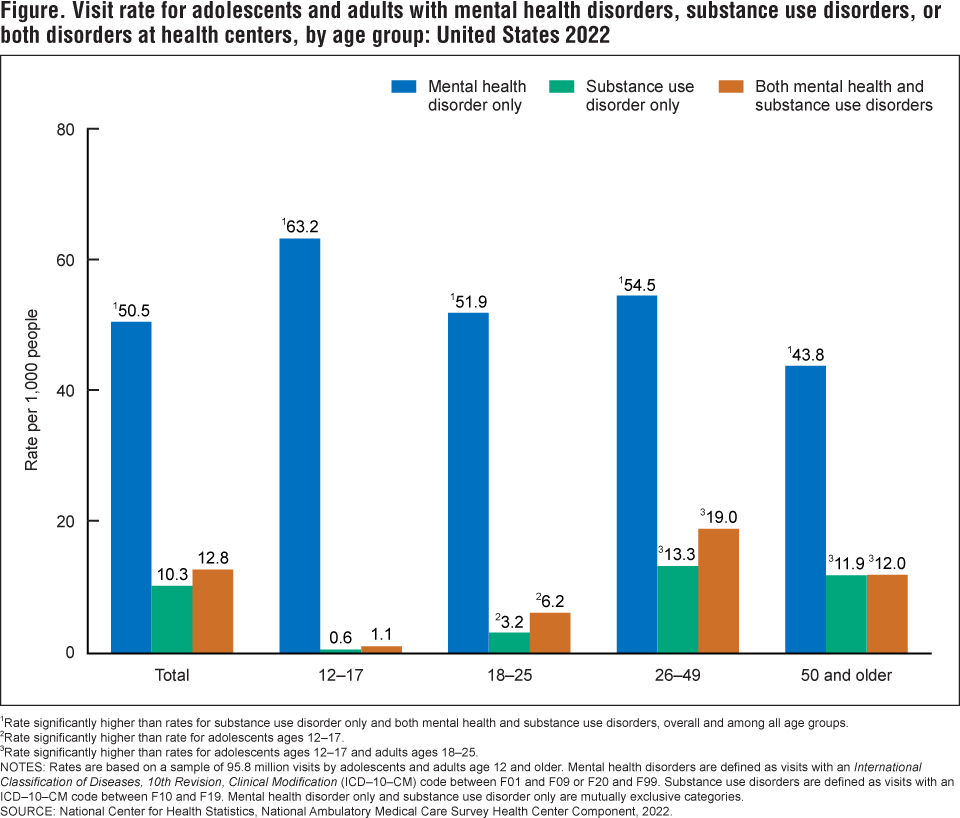
Data of substance uses with or without mental illness
In the end, having multiple ways screening for mental health can help students and peers reduce or even fully prevent the addiction of substances. Like said before there are a various number of solutions that schools can incorporate into their systems. While some may get pushed back and have controversy across the district, implementing screening, trauma trained educators, or even having more accessibility and privacy. All of these will help reduce addiction which can lead to more problems in the long run.


Comments
Post a Comment